
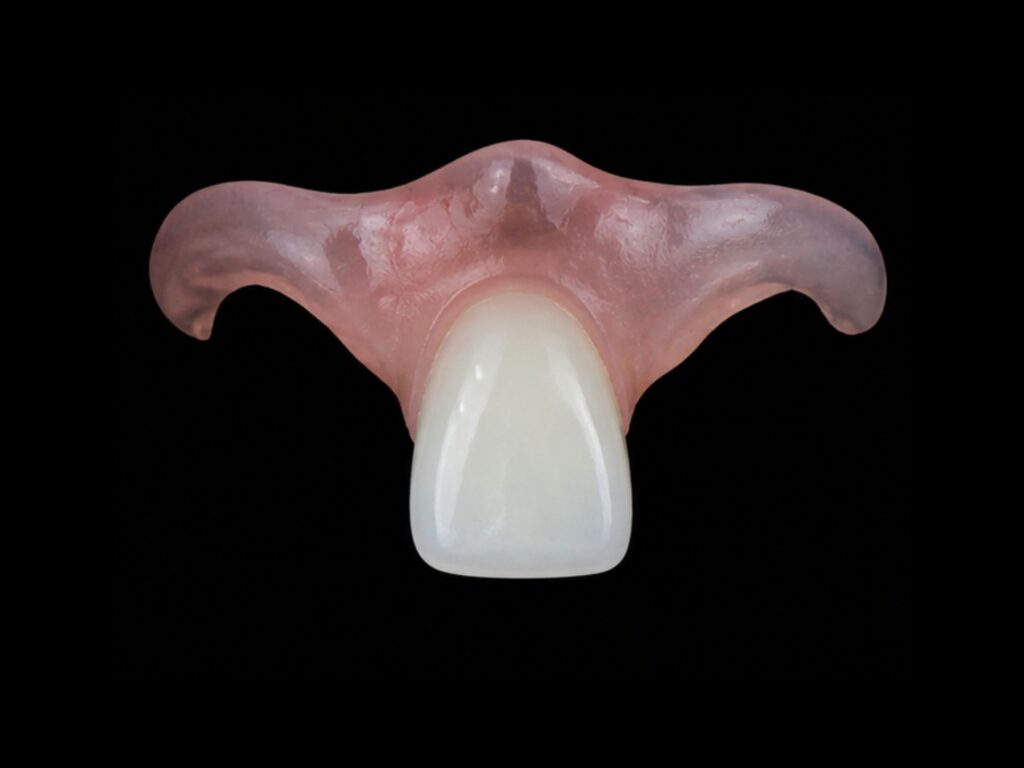
Partial dentures — also called dental plates, teeth plates, or mouth plates — replace one or more missing teeth while preserving your remaining natural teeth. They are removable appliances that clip onto your existing teeth to fill gaps, restore chewing function, and prevent remaining teeth from shifting.
At D3 Clinic, we fabricate partial dentures in three material types: acrylic, chrome, and flexible. Each has distinct advantages depending on your clinical situation, how many teeth are being replaced, and whether your mouth is stable or still changing.
Missing teeth affect more than function — visible gaps change how you feel about talking to people, eating in public, and being photographed. A well-made partial addresses all of this.
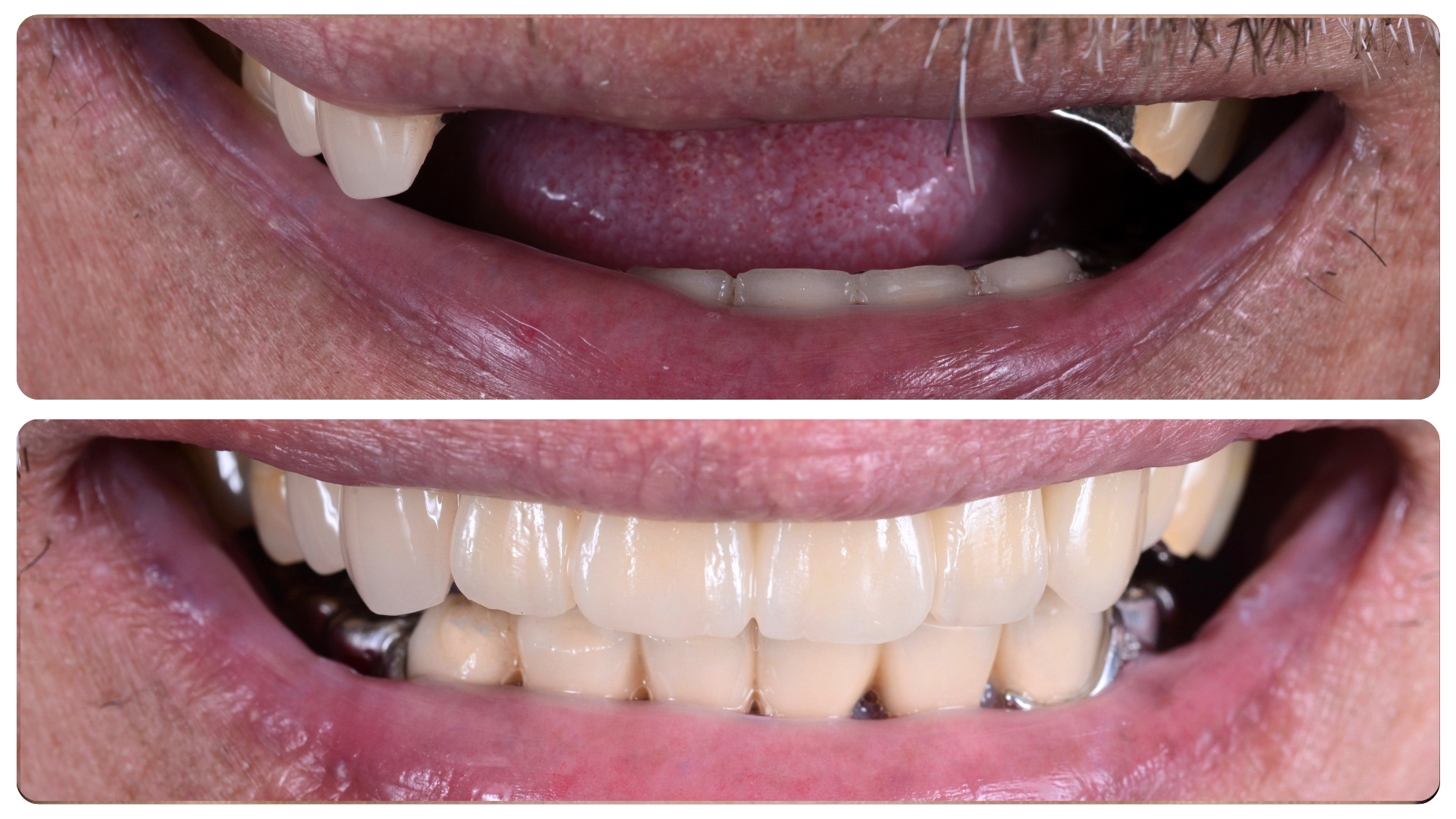
Flexible partials are made from a thermoplastic material (often called silicone dentures, though technically nylon-based) that flexes around your teeth. They have no metal clasps — retention comes from gum-coloured or tooth-coloured clips that are difficult to see.
Best for: front-of-mouth replacements where aesthetics matter, patients with metal or acrylic sensitivities, cases where visible clasps are not acceptable.
Limitations: cannot be relined as easily as acrylic, not suitable for large spans, may stain more readily without proper daily care.
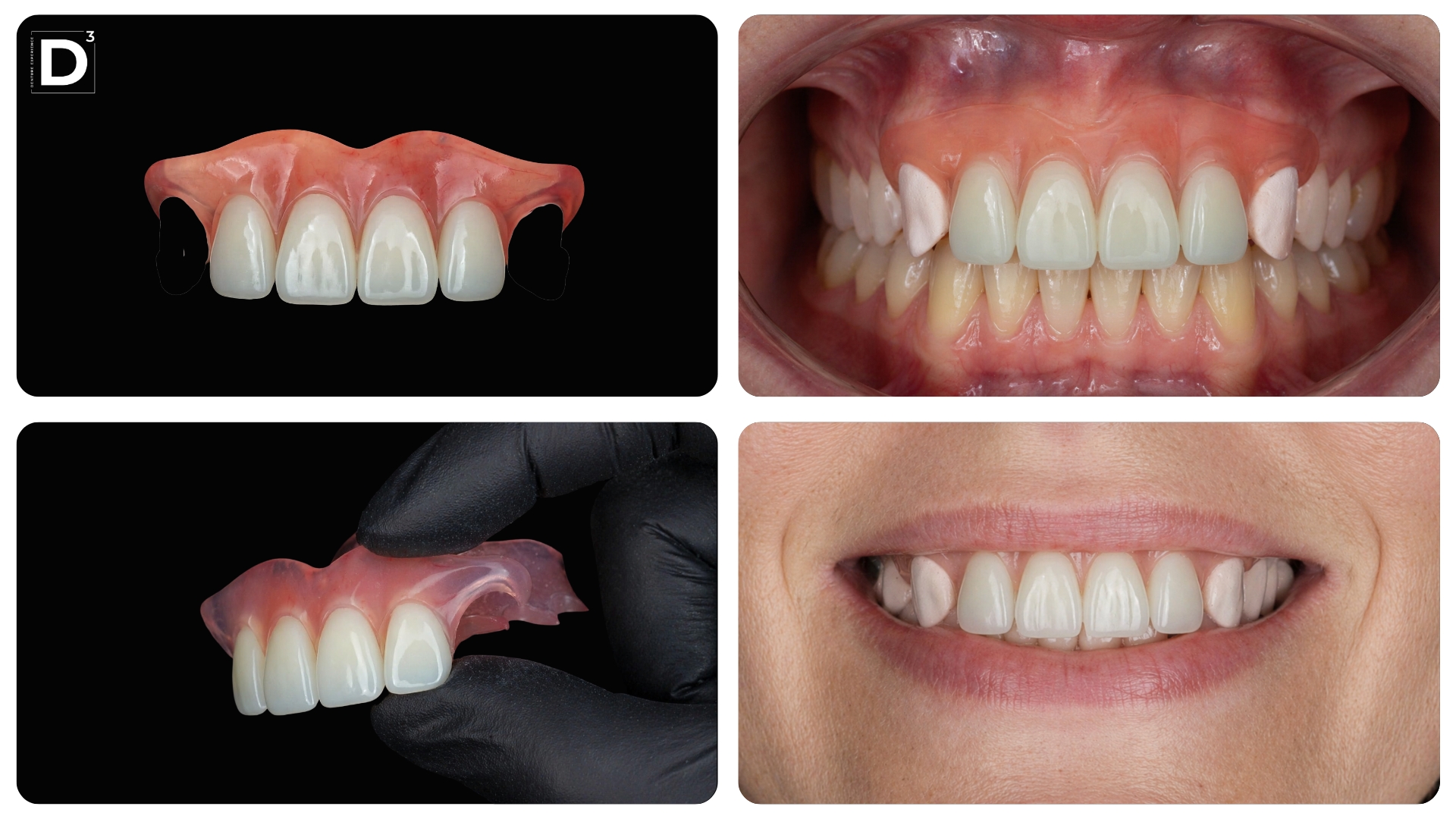
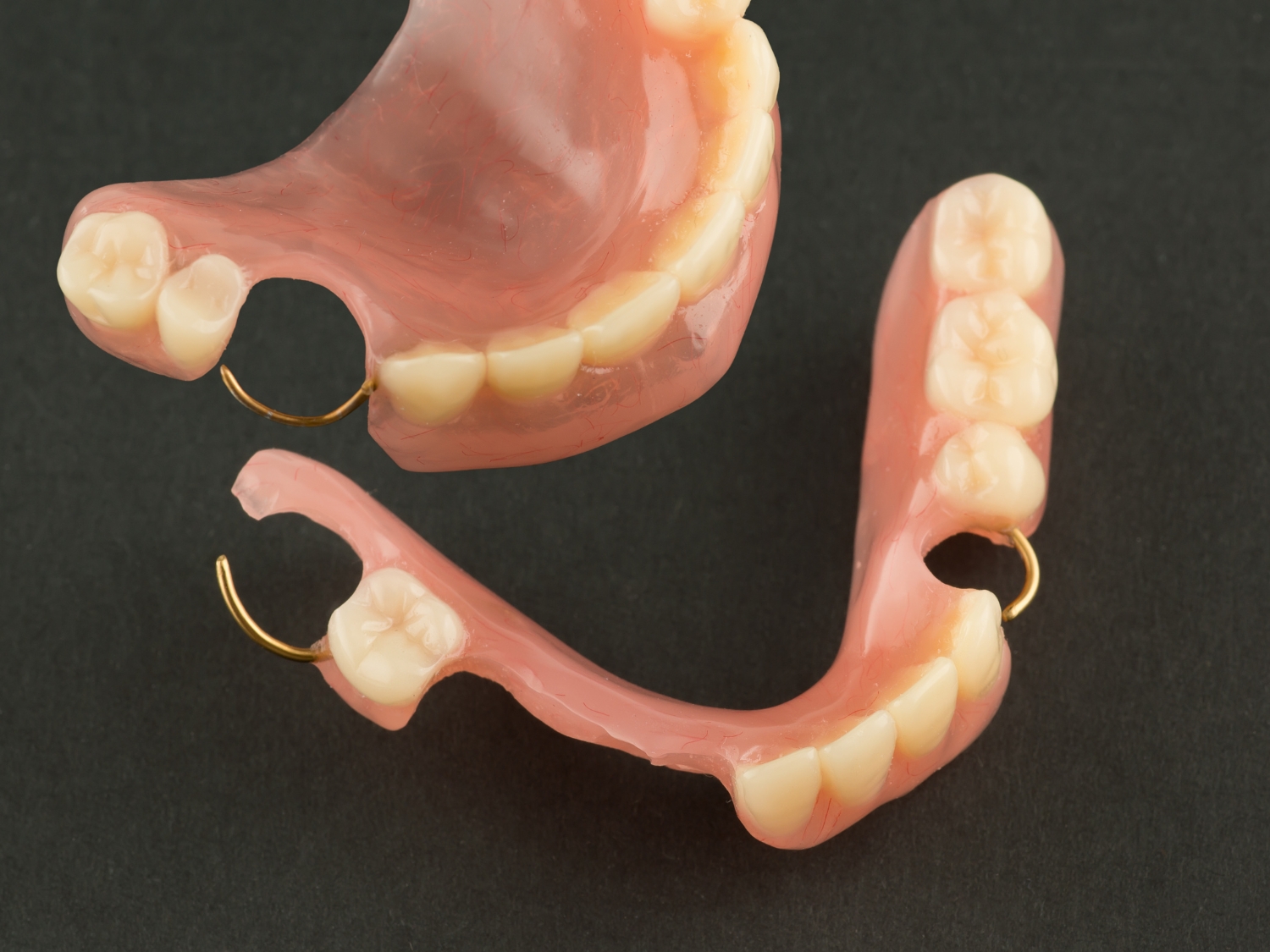
Acrylic partials are the most affordable and most commonly prescribed option.
They use an acrylic base with wire clasps that grip adjacent teeth.
Best for: budget-conscious patients, cases where further extractions are planned (acrylic is easily modified to add teeth), transitional use while planning longer-term treatment, and patients new to dentures who want a lower-commitment starting point.
Limitations: bulkier than chrome, wire clasps may be visible on front teeth, not as durable for long-term heavy use.
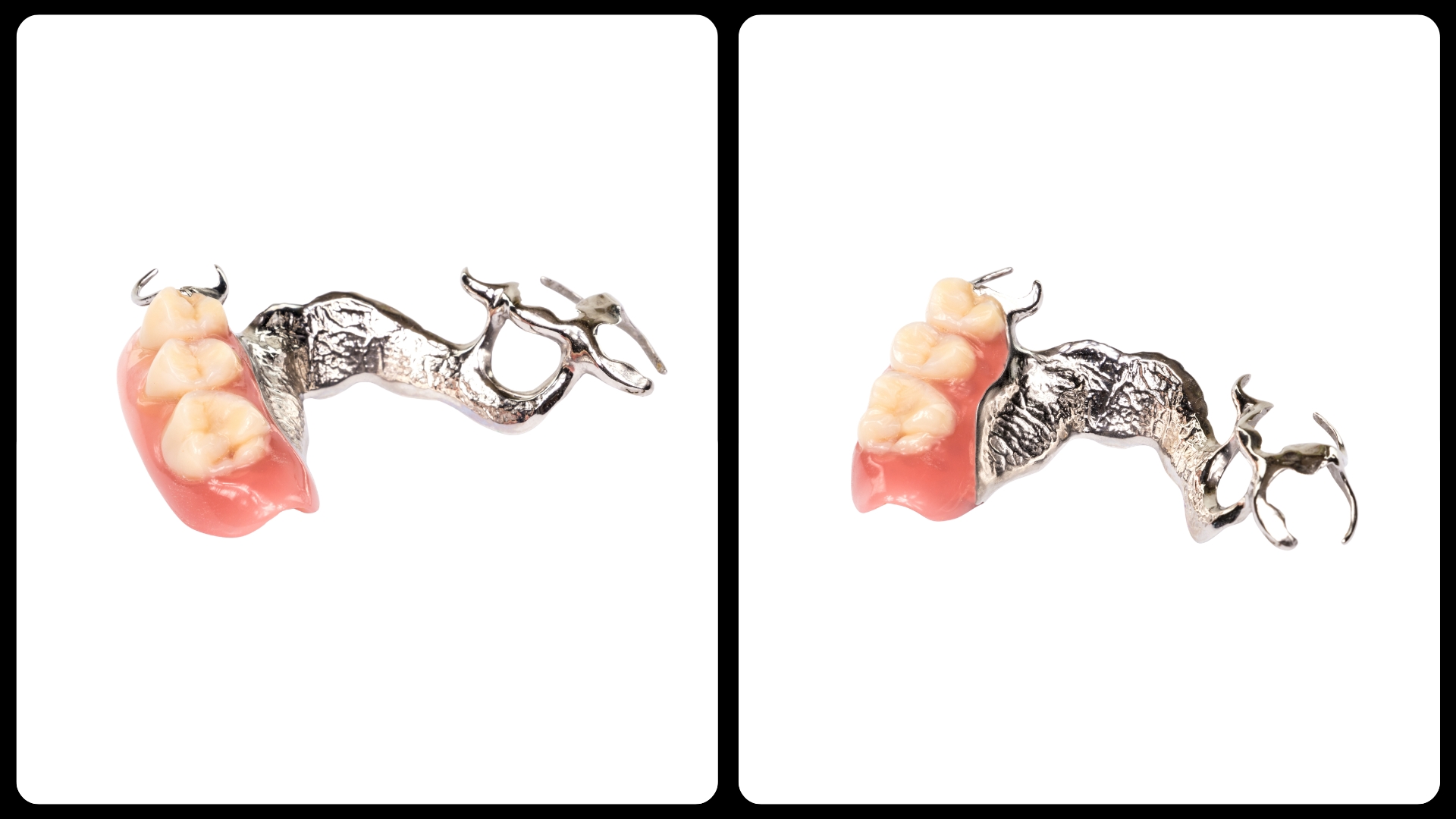
Chrome partial dentures use a cast metal framework that sits on and around your remaining natural teeth, supporting acrylic denture teeth. The framework is designed with precision clasps that grip your teeth for retention and stability.
Because chrome is significantly thinner and lighter than acrylic, the denture feels less bulky and more natural in the mouth. The metal framework also distributes chewing forces more evenly across your remaining teeth, which helps protect them long-term. Chrome dentures are the premium standard for partial dentures when your mouth is stable and you plan to wear them long-term.
Best for: long-term wear where the mouth is stable (no further extractions planned), patients who want a thinner and more comfortable fit, cases where even force distribution matters for the health of remaining teeth.
Limitations: higher cost than acrylic, less easily modified if teeth need to be added later, requires a stable mouth to justify the investment.
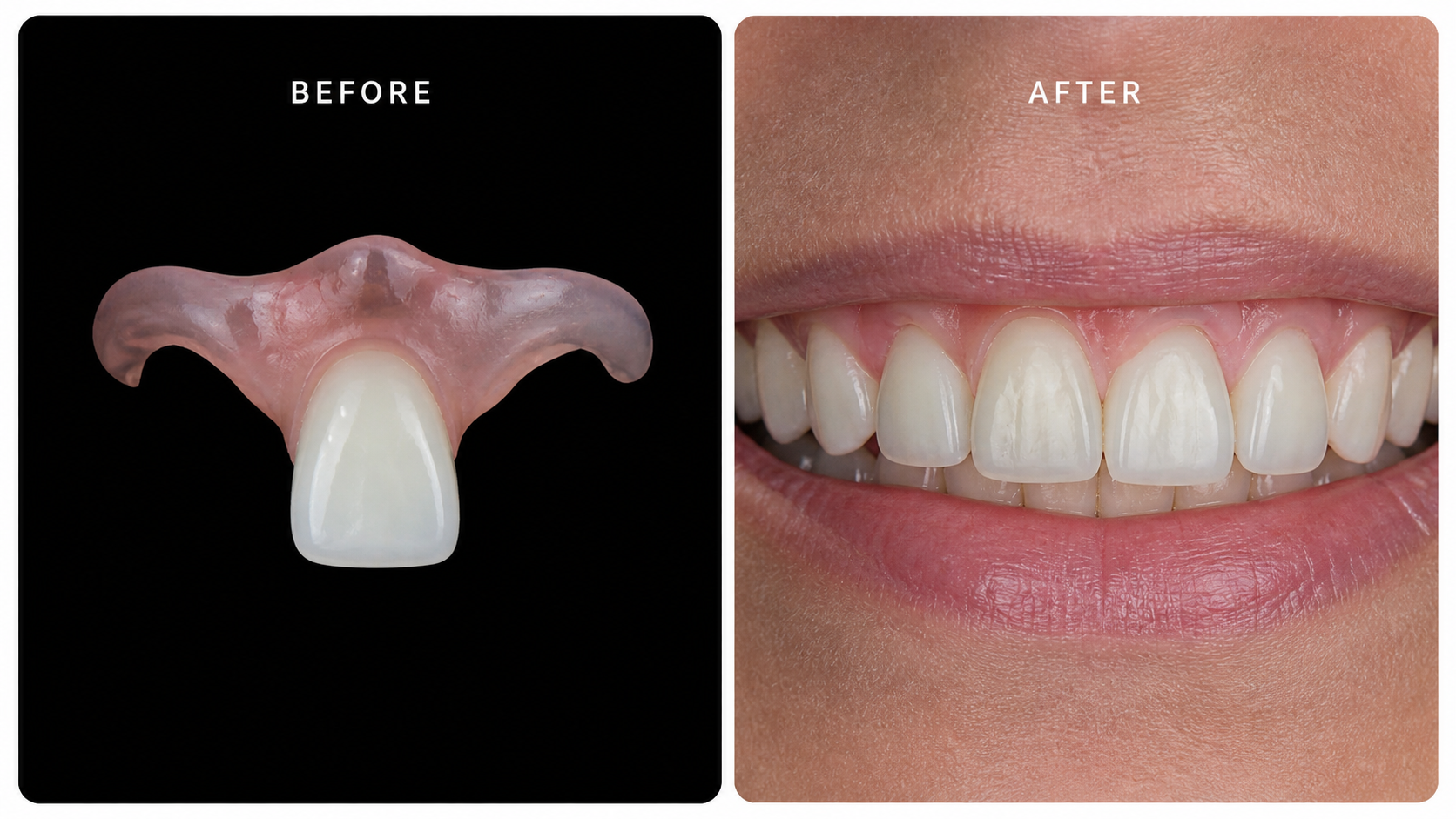
A single tooth denture (flipper denture) replaces one missing tooth with a small, lightweight removable appliance. It is the most affordable and least invasive option for a single gap.
Common uses: temporary replacement while waiting for an implant, cost-effective option when a bridge or implant is not feasible, quick solution for a front-tooth gap.
A flipper denture is not designed as a permanent long-term solution, but many patients wear them effectively for extended periods.
Acrylic — Lowest cost. Good for transitional or budget-priority cases. Bulkier but easy to modify.
Chrome — Highest durability and comfort. Thinner framework. Best for long-term wear in a stable mouth.
Flexible — Best aesthetics (no visible metal). Comfortable and lightweight. Not suitable for all cases.
We assess your mouth, discuss the trade-offs, and recommend what will work best for your specific situation.
Dental plate, teeth plate, mouth plate, and plate for teeth are all common terms for a partial denture.
Yes. A single tooth denture (flipper denture) is a small, lightweight option for replacing one tooth.
If your mouth is stable and you plan to wear the denture long-term, chrome is usually worth the investment. If further changes are expected, acrylic is more practical because it is easier to modify.
A common name for flexible partial dentures. Technically nylon-based. No metal clasps, nearly invisible when worn.

D3 Clinic is a dedicated denture clinic in Alexandria, Sydney. We solve denture problems — fit, function, and appearance.
immediate dentures sydney, partial dentures sydney, denture solutions, dentures sydney, partial denture services, flexible dentures sydney, partial plate for teeth, partial chrome denture, chrome partial denture
Partial dentures offer numerous benefits for individuals with missing teeth, including improved aesthetics, restored functionality, and enhanced oral health. By filling gaps left by lost teeth, these dentures help to maintain facial structure and prevent the remaining natural teeth from shifting, which can lead to further dental complications.
Additionally, partial dentures can significantly boost a person's confidence and quality of life. With the ability to eat and speak comfortably, patients often find social interactions less daunting. Many users report feeling more confident when smiling, which can positively impact their personal and professional relationships.
The cost of partial dentures can vary widely based on the materials used, complexity of the case, and the specific needs of the patient. Factors such as the type of denture (acrylic, chrome, or flexible) and the number of teeth being replaced will influence the overall price. It's essential for patients to discuss their budget and treatment options with their dental provider.
Many clinics, including D3 Clinic, offer flexible payment plans and financing options to help make partial dentures more accessible. Understanding the long-term investment in oral health is crucial, as well-fitted dentures can last for years with proper care, potentially saving money on future dental treatments.
Proper care and maintenance of partial dentures are vital for ensuring their longevity and functionality. Patients should clean their dentures daily using a soft-bristled brush and a mild cleanser designed specifically for dentures. Regular cleaning helps prevent plaque buildup and staining, promoting better oral hygiene.
It’s also important to regularly visit the dentist for check-ups and adjustments. Over time, changes in the mouth can affect the fit of the dentures, and professional adjustments can help maintain comfort and effectiveness. Patients should also be mindful of how they store their dentures when not in use, keeping them moist to prevent warping.
There are several myths surrounding partial dentures that can lead to misconceptions about their use and effectiveness. One common myth is that dentures are only for elderly individuals; however, partial dentures can benefit anyone with missing teeth, regardless of age. They provide a solution for various dental situations, including those caused by accidents or dental diseases.
Another myth is that partial dentures are uncomfortable or unnatural. While initial adjustment may take some time, modern advancements in denture technology have led to more comfortable and natural-feeling options. Patients often find that with proper fitting and care, they can enjoy the same level of comfort as with their natural teeth.